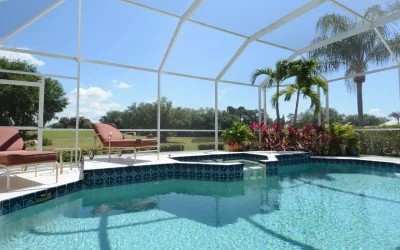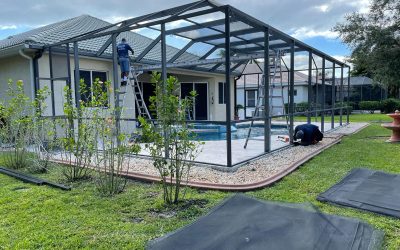
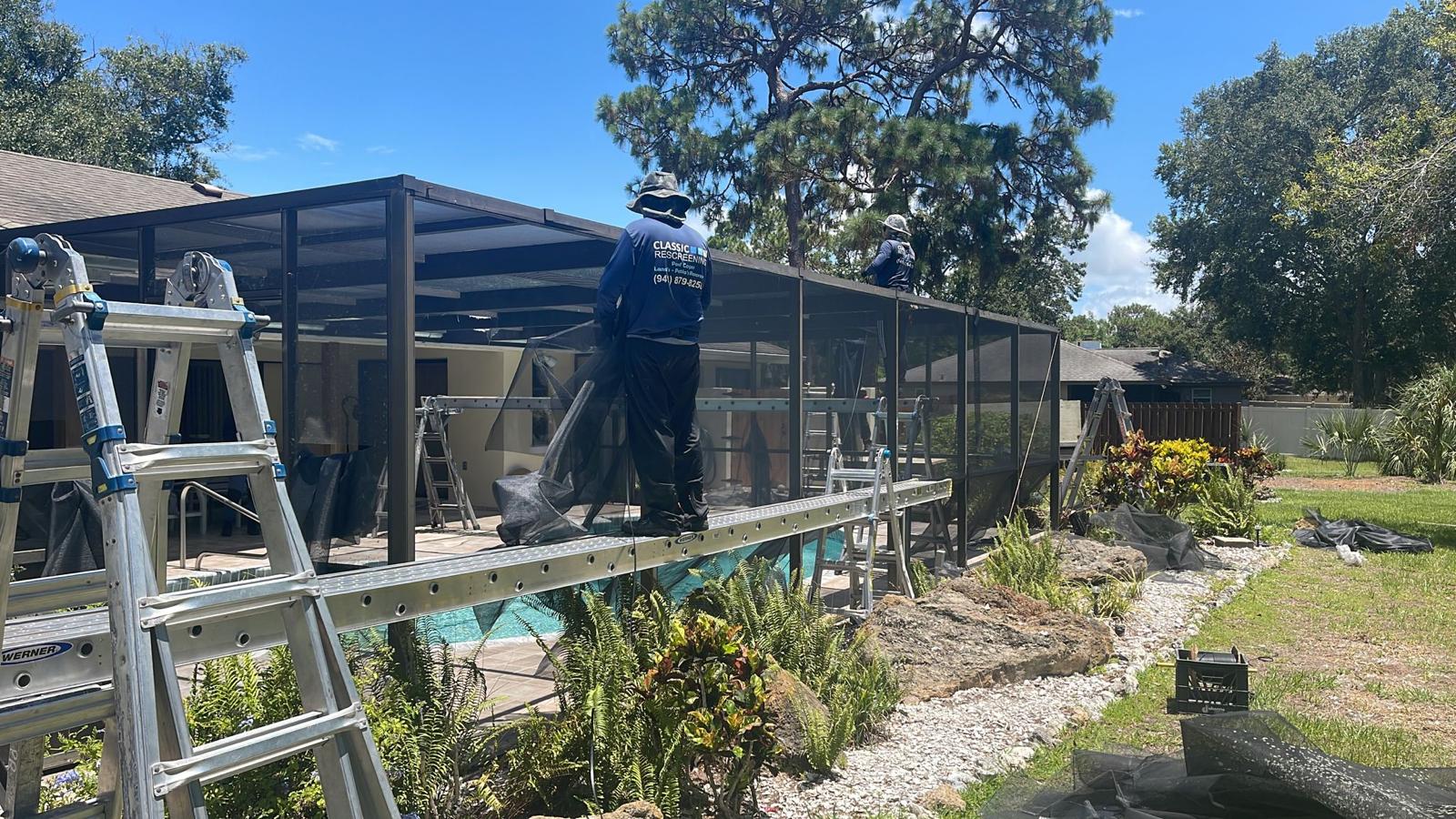
Imagine lounging outdoors, surrounded by nature, while being shielded from pesky insects and debris. The right screening can transform your outdoor space into an oasis of comfort and relaxation. However, like any aspect of home maintenance, rescreening can often be overlooked despite its profound impact.
Outdoor spaces are not just extensions of our homes; they are sanctuaries for leisure and socialization. Over time, the wear and tear of weather conditions can compromise the functionality and aesthetics of your screens, making it imperative to assess and refresh them periodically. Understanding the need for rescreening is the first step toward rejuvenating your open-air experience.
In this article, we’ll explore the importance of rescreening your outdoor areas, provide insights on choosing the right materials, and guide you through the rescreening process. Whether you’re considering DIY projects or hiring professional services, you’ll discover the best practices to enhance your space, boost property value, and ensure lasting enjoyment.
Importance of Rescreening Outdoor Spaces
Rescreening your outdoor spaces is a smart way to enhance both beauty and function. A fresh screen enclosure makes your outdoor living space more appealing and comfortable. With effective rescreening, bugs and pests stay out, creating a cozy outdoor experience for your family.
Here’s why rescreening matters:
- Boost Aesthetic Appeal: Fresh screens refresh your outdoor space’s look.
- Pest Control: Keeps pesky bugs out of your pool cage and patio.
- Increase Property Value: A well-maintained screen can attract buyers.
- Use of High-Quality Materials: Durable materials ensure longer lifespan.
- Safety: Regular maintenance prevents risks to kids and pets.
Using high-quality materials during rescreening extends the life of your screens. This ensures they stay sturdy and visually pleasing. Regular maintenance and prompt repairs help preserve a safe outdoor area.
To maintain these benefits, consider skilled professionals for your screen repair and maintenance needs. This ensures top-notch service and long-lasting results, boosting both your space’s value and your family’s satisfaction. For further details, refer to the comparison table below.
| Aspect | Benefit |
| Aesthetic Appeal | Enhanced visual look |
| Pest Control | Bug and insect-free space |
| Property Value | Higher market attractiveness |
Assessing Your Existing Structure
When revitalizing your outdoor space, it’s essential to evaluate your current screen enclosure. A detailed inspection examines the frame, fasteners, and screen material. This process helps identify any wear, tear, or damage. It ensures any necessary repairs are made before the re-screening. An accurate assessment by experienced professionals determines which areas need attention to maintain functionality. Identifying damage early can prevent future issues and extend the lifespan of your outdoor enclosure.
| Evaluation Area | Purpose |
| Frame | Check for stability and strength |
| Fasteners | Ensure all parts are secure |
| Screen Material | Identify areas needing replacement |
Inspecting for Damage and Wear
Regularly inspecting for damage is key to maintaining your enclosure. This involves checking for sagging, tears, or faded frames. Weather can weaken your pool enclosure frame, so regular checks are vital. Addressing damage with professional repair services promptly prevents further wear. Employing high-quality materials like fiberglass or polyester extends enclosure longevity against common issues.
- Points of Inspection:
- Sagging or Tearing Screens
- Faded or Corroded Frames
- Fasteners for Security
Understanding the Type of Screens Needed
Selecting the right type of screen can greatly enhance both visual appeal and functionality. Custom-designed entryway screens match your home’s style. Fiberglass screens are durable, resistant to rust, and perfect for patio or pool enclosures. Aluminum screens offer strength and resist corrosion. They are a long-lasting choice. Modern screening materials come in various textures and colors, updating the enclosure’s look. Precise installation ensures a snug fit, which supports aesthetics and ventilation while keeping pests out.
Choosing the Right Materials for Rescreening
Selecting the right materials for rescreening is essential for enhancing your outdoor space. This choice affects the durability, functionality, and aesthetic appeal of your outdoor enclosure. Traditional options like fiberglass screens are flexible and resist corrosion, making them a top choice. Meanwhile, polyester screens offer strength and a long lifespan, often with a good warranty. For households with pets, pet-resistant screens provide extra durability. Aluminum screens, though tough and UV resistant, can be harder to install compared to other materials.
Types of Screening Materials
When rescreening, you have various materials to choose from, each with its own merits:
- Fiberglass Screening: Ideal for patio screens, this material is durable, rust-resistant, and easy to maintain.
- Aluminum Screening: Known for its UV resistance and strength, it is a popular, though more challenging, option for DIY projects.
- Pet-Resistant Screens: A durable variation of fiberglass, these screens are strong enough to withstand pet activity.
- Enhanced Visibility Screens: Newer materials improve airflow and visibility, offering more comfort while keeping out pests.
Each type offers specific benefits, so choosing based on your needs is crucial.
Benefits of Durable Screens
Opting for durable screens has many advantages. Materials like fiberglass and pet-resistant screens are built to last, standing up to weather and frequent use. High-quality screen enclosures keep your outdoor space clear of debris and insects, enhancing your living space’s enjoyment. Proper installation and regular maintenance prolong their life, minimizing costs for repairs or replacement.
Investing in durable screens also provides customization. You can tailor your outdoor area to match your style and comfort needs. Accurate measurements are key; a well-fitted screen prevents sagging or tautness, ensuring the best functionality and appearance.
Step-by-Step Process of Rescreening
Keeping your outdoor living space in top shape involves regular maintenance. A rescreening can transform your patio, porch, or pool enclosure into a perfect outdoor space. To begin the process, gather the necessary screen materials. Measure the widest part of your screen area to determine how much screen roll you need. Consider modern splining techniques for a secure fit.
Costs can vary based on screen type. Pick a screen material that balances durability and functionality. Perform these tasks in spring, preparing your space for heavy summer use. Ideally, a team of two experienced professionals can make the task easier and ensure customer satisfaction.
Removing Old Screens
Begin by removing old screens carefully. Lift an end of the spline to free the damaged patio screen. Pull out the spline from the groove and keep it safe to avoid confusion later. Next, remove the damaged screen from the pool enclosure.
A thorough job at this stage sets the foundation for a successful project. The goal is to enhance the quality of your outdoor experience. Professional services ensure minimal disruption, making the transition from old to new screens smooth.
Preparing the Frame for New Screens
With the old screens removed, it’s time to prep the frame. Measurements must be accurate. Adding an extra inch to each measurement is wise for allowance. Decide if you will cut a new spline or reuse the old one if it’s still in good shape.
Align the new patio screen to the frame and secure it using a spline tool. Leave no more than an inch of excess on top for trimming. Check the screen’s tension to prevent sagging, and inspect all seams and fasteners to ensure a snug fit.
Installing New Screens for a Snug Fit
The installation phase is where expertise shines. Technicians carefully install each screen, ensuring a perfect fit. This enhances both the look and functionality of your outdoor space. A snug fit means no sagging, maintaining clear views and offering ample ventilation and pest protection.
Finalize the process by adjusting screen tension and securing all fasteners and seams. Proper installation not only boosts aesthetic appeal but also shields the space from insects and debris. Ensuring the screens fit well preserves their integrity and extends their lifespan.
With these steps, your outdoor living experience will be profoundly enhanced, blending utility with beauty.
Professional Services vs. DIY Rescreening
Rescreening your outdoor living space can enhance its aesthetic appeal and functionality. When considering rescreening options, you have two primary choices: DIY or hiring professionals. Each approach has its own set of benefits and challenges.
Pros and Cons of Hiring Professionals
Hiring professionals for rescreening offers a range of advantages. Experts can complete tasks swiftly, often in just days, ensuring your outdoor space is ready to enjoy sooner. Many companies also offer warranties on their work, providing peace of mind should any issues arise later on. However, one drawback is the cost, which includes both the materials and labor. Additionally, coordinating schedules with a service provider may prove tricky. On the flip side, hiring professionals reduces your involvement in the project, which might not suit those who love hands-on work.
Cost Considerations for DIY vs. Professional Help
For minor pool screen repairs, DIY can be budget-friendly, typically costing between $200 and $600. However, larger jobs, like rescreening a pool enclosure, run from $1,200 to $7,500 in Florida alone. Professional screen repair services are often recommended for such extensive projects to ensure quality and safety. On the other hand, companies like ScreenIT® offer flexible services including new installations and upgrades, illustrating the comprehensive solutions professionals provide. Before jumping into a DIY project, consider the added expenses for tools and materials. Balancing these against the price of professional services can help determine the best route.
Maintenance Tips for Longevity
Regular maintenance is key to keeping your outdoor living space functional and beautiful. Ensuring your patio screen enclosure is in top shape involves regular inspections and timely repairs. Check for tears or damages frequently and get them fixed by professional screen repair services. This helps maintain the integrity of your enclosure and enhances the outdoor experience. Cleaning screens with mild soap not only boosts visibility but also improves the aesthetic appeal of your space. Don’t forget to inspect both screens and frames to spot issues early. This will preserve your enclosure’s functionality and appearance over time. Addressing small problems right away, like tears or loose fasteners, prevents bigger issues. Engage experienced professionals for regular inspections. They can catch what you might miss, ensuring long-lasting screens.
Regular Cleaning Practices
Cleaning your pool screen routinely is crucial. Use a mild soap and water solution to remove dirt, pollen, and debris. A soft brush or sponge can reach tight corners without damaging the screen material. Regular screen maintenance not only boosts its aesthetic appeal but also prolongs its lifespan. After a rescreening, keep the enclosure clean to maintain clarity and quality. Address small tears promptly during your cleaning routine. This can prevent larger problems in the future.
Repairing Minor Damages
Minor damages to entryway screens can be quickly fixed with a DIY repair kit. This is a cost-effective way to maintain your home’s curb appeal. For lanai screens, use self-adhesive patches for small punctures or tears. This will restore comfort and functionality. Prompt attention to minor issues, like small tears or loose fasteners, prevents bigger problems and saves on repair costs. Regular inspections help identify these damages early. This ensures screen integrity and allows for timely repairs. Use high-quality screen materials, like Phifer Screen, to bolster repair durability against strong winds and debris.
| Maintenance Task | Frequency | Tools Needed |
| Clean Screens | Monthly | Mild Soap, Soft Brush |
| Inspect for Damage | Monthly | Visual Inspection |
| Repair Minor Issues | As Needed | DIY Repair Kit |
| Professional Inspection | Annually | Experienced Professional |
Regular maintenance and quick repairs ensure a top-notch outdoor living experience. Follow these tips to keep your space inviting and well-maintained.
Benefits of Rescreening Your Space
Rescreening your outdoor space can dramatically enhance its usability and comfort. By keeping out bugs and pests, a full rescreen can create a more pleasant environment for guests. Modern screen materials offer protection against harmful UV rays, making your space safer for everyone to relax in. Using high-quality materials for rescreening extends the life of your enclosure, keeping it sturdy and looking good for years.
Enhancing Property Value
Investing in a patio screen enclosure can boost your property value. A well-designed screen adds to the aesthetic appeal by offering clear views and a cozy outdoor experience. Stylish doors that match your home add to the seamless look. Enhanced privacy and safety features attract families with kids or pets, increasing your home’s attractiveness. Opting for services like those from ScreenIT® not only freshens up your space but also maximizes property value through smart investment.
Improving Usability of Outdoor Areas
A sturdy screen enclosure protects your outdoor areas from insects and bad weather, making them usable all year. This not only boosts the appeal of your outdoor living space but can also add to your property’s market value. Precision in installation is crucial for both looks and function, ensuring a clean appearance and effective protection. Re-screening brings new life to your space by replacing old screens with modern, attractive options. These materials improve visibility, providing you with a clearer view while keeping unwanted elements out.
Common FAQs About Rescreening
Are you thinking about rescreening your outdoor space? Here’s what you need to know. Rescreening can improve your outdoor living experience by keeping bugs out and enhancing visual appeal. It can transform spaces like patios and porches, making them more enjoyable and increasing property value.
How often should I rescreen my outdoor space?
Rescreening frequency depends on several factors. Check your screens regularly for damage. Look for changes caused by weather, wear, and frequent use. New screens keep bugs away, so more outdoor time might mean more rescreening. High-quality materials can save money because they last longer. They also keep your enclosure looking good for many years.
What are the signs that I need to rescreen?
Here are signs that show it might be time to rescreen:
- Tears or Wind Damage: These affect the integrity of the screen.
- Sun Discoloration: Faded screens may not function well.
- Gaps or Loose Screens: These let bugs in and affect safety.
- Sagging Screens: They look unattractive and need fixing.
- Obscured View: If your screens are unclear, it hinders enjoying the outdoors.
Address these issues to maintain an effective and appealing outdoor space.
Can I rescreen if I have pets?
Yes, you can rescreen with pets in mind. Consider pet-resistant screens. These screens are built to handle wear from pets better. Here’s why they are a good choice:
- Durability: Pet-resistant screens are thicker and withstand wear.
- Material Strength: Polyester screens offer a long-lasting solution, often with warranties.
- Custom Fit: Ensure screens fit your space, especially for pet owners.
- Improved Aesthetics: New screens make outdoor areas look better.
By choosing pet-resistant screen options, pet owners can enjoy their outdoor spaces without worry.