Why Your Pool Cage Needs a Rescreening Overhaul
Your pool enclosure is more than just a barrier against insects; it’s an extension of your Florida lifestyle, offering a sanctuary for relaxation and entertainment. However, the very elements that make Florida desirable – intense sun, humidity, salty air, and the threat of severe weather – also take a toll on your pool cage. Over time, screen mesh degrades, frames can corrode, and fasteners loosen, diminishing both the aesthetic appeal and functional integrity of your pool enclosure. When these signs of wear become evident, it’s time for a pool cage rescreening. This essential maintenance task ensures your sanctuary remains safe, functional, and beautiful. This guide provides an essential pre-hire checklist to help you find the right professional for the job, ensuring a high-quality, long-lasting rescreening experience.
The Importance of a Pristine Pool Enclosure in Florida
In Florida, where outdoor living is paramount, a well-maintained pool enclosure is indispensable. It keeps out biting insects, prevents debris from entering your pool, and enhances safety by creating a contained environment. A pristine screen enclosure contributes significantly to your home’s curb appeal and overall property value. The continuous exposure to Florida’s intense UV rays, constant humidity, salty coastal air, and severe weather events like hurricanes significantly accelerate the deterioration of pool screens, often causing them to become brittle and weaken faster. SPF Screens & Awnings highlights that these environmental factors mean pool screens in Florida have a shorter lifespan compared to other regions.
Recognizing the Signs: When Rescreening Becomes Essential
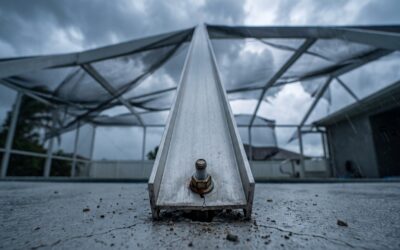
 A visual guide to common pool cage wear and tear. If you spot these issues, it’s time to consider a professional rescreening.
Several tell-tale signs indicate that your pool cage is in need of a professional rescreening. The most obvious are visible tears, rips, or holes in the mesh. However, degradation goes beyond superficial damage. You might notice the pool screen becoming faded, brittle, or developing rust streaks from corroding fasteners. A sagging screen panel can also be a clear indicator that the material has lost its integrity or the spline securing it has failed. Functionally, an increase in the number of insects or a general decline in visibility through the screen also points to wear and tear. While minor screen repair might address a single small tear, the average lifespan of pool cage screens in Florida typically ranges between 7 and 10 years, with premium materials potentially lasting 10-15 years or longer with proper care, according to 2H Rescreening. This suggests that when multiple issues arise or the age of the screen is significant, a full rescreen is often the more cost-effective and durable solution.
What This Checklist Will Help You Achieve
This comprehensive checklist is designed to empower you throughout the process of hiring a pool cage rescreening professional. By following these steps, you will learn to identify your needs, understand material options, find reputable local contractors, ask the right vetting questions, compare proposals effectively, and ensure the structural integrity of your enclosure is addressed. The ultimate goal is to secure a qualified and trustworthy professional who will deliver a high-quality rescreen that enhances your home’s value and extends the life of your pool enclosure, providing peace of mind, especially when facing Florida’s unpredictable storm and hurricane seasons.
Understanding Your Pool Cage & Rescreening Needs
Before engaging with contractors, it’s crucial to have a foundational understanding of your pool enclosure and the scope of work involved in a rescreening project. This knowledge will help you communicate your needs clearly and assess the proposals you receive.
Assessing the Current State of Your Screen Enclosure
Begin by conducting a thorough visual inspection of your entire screen enclosure. Look for common issues such as tears, holes, or abrasions in the mesh. Pay close attention to areas that experience more wear, like doorways or frequently touched panels. Check for sagging or loose screen panels, which can indicate worn-out material or spline. Examine the aluminum frame for signs of corrosion, rust, or bending. Investigate any rust streaks on your patio or pool deck, as these often originate from corroding fasteners or frame components. The condition of the spline, the rubber or vinyl material that holds the mesh in place within the frame channels, is also critical; it should be pliable, not brittle or missing.
Differentiating Between Simple Screen Repair and Full Rescreening
Simple screen repair typically involves patching or replacing small, isolated damaged sections of pool screen. This can be a viable option for minor issues like a single small tear or a localized area of damage. However, if your enclosure has multiple tears, widespread brittleness due to UV exposure, or if the age of the screen suggests overall material fatigue, a full rescreening is generally recommended. A full rescreen involves removing all old mesh, cleaning the frame, and installing new screen panels and spline throughout the entire enclosure. This ensures a uniform appearance, consistent tension, and addresses potential weaknesses across the entire structure, preventing future problems from developing in adjacent sections.
The Benefits of a Complete Pool Cage Rescreening Project
Opting for a complete pool cage rescreening offers several significant advantages. Firstly, it provides a uniform, aesthetically pleasing appearance; all screen panels will look the same, free from patches or mismatched colors. Secondly, it guarantees consistent material quality and tension across the entire enclosure, maximizing its lifespan and protective capabilities. A professional full rescreen also provides an opportunity to address underlying frame issues, replace corroded fasteners, and ensure the entire structure is sound. This comprehensive approach is particularly important in Florida, where the constant environmental stressors can compromise the integrity of older screens and frames.
Common Issues That Necessitate Rescreening (e.g., Rust Streaks, UV Damage, Storm Damage, Sagging Mesh)
Several common issues commonly necessitate pool cage rescreening, especially in Florida. UV damage is rampant, causing fiberglass screen and other mesh types to become brittle and prone to tearing over time. Storm damage, including high winds from hurricanes or heavy rain, can rip screens, dislodge panels, or even damage the frame itself. Rust streaks, often caused by fasteners or deteriorated aluminum, are unsightly and indicate potential structural weakness. Sagging mesh signals that the material has lost its elasticity or that the securing spline has failed, leaving the enclosure vulnerable to pests and debris. Addressing these issues proactively through a professional rescreen is far more effective than attempting piecemeal repairs.
Material Matters: Choosing the Right Screens and Fasteners
The longevity, performance, and cost of your rescreening project are heavily influenced by the materials used. Understanding the options available for your pool enclosure is key to making an informed decision.
Standard vs. Specialized Screen Materials
The primary function of a pool screen is to allow visibility and airflow while keeping out insects and debris. Standard materials offer a good balance of these qualities, while specialized screen materials cater to specific needs, such as enhanced durability, increased privacy, or improved solar protection. Choosing the right mesh will impact the overall effectiveness and lifespan of your screen enclosure.
Fiberglass Screen: The Industry Standard
Fiberglass screen is the most common and widely used screen material for pool cages in Florida. It offers a good balance of visibility, durability, and affordability. It’s resistant to rust and corrosion, making it suitable for the humid Florida climate. While durable, it can become brittle over time due to prolonged UV exposure, eventually requiring rescreening. It’s an excellent all-around choice for most homeowners seeking a reliable and cost-effective solution.
Enhanced Durability: Polyester Screen Options
For homeowners seeking increased durability, particularly in areas prone to higher wear or pet activity, polyester screen materials are a superior option. These screens are significantly stronger and more resistant to tearing than standard fiberglass screen. They offer excellent longevity and can withstand the rigors of a busy household or harsh weather conditions more effectively. While typically more expensive than fiberglass, their enhanced durability can translate to longer service life and fewer future screen repair needs.
Specialized Mesh for Specific Needs:
Beyond standard fiberglass and polyester, specialized mesh options exist. These include solar screens that offer significant UV blockage, reducing heat and glare, and pet-resistant screens designed for homes with active animals. Micro-mesh screens offer superior insect protection, filtering out even smaller pests. When selecting a screen material, consider your specific priorities, such as visibility, durability, pet safety, or solar control, to choose the best mesh for your pool enclosure.
The Critical Role of Fasteners and Screws
The integrity of your screen enclosure relies heavily on the quality of its fasteners and screws. These components secure the screen panels to the aluminum frame and are crucial for preventing wind damage, especially during storms and hurricanes. In Florida’s corrosive environment, it is vital to use rust-resistant fasteners, such as aluminum or stainless steel screws. Standard steel screws will quickly corrode, leading to unsightly rust stains and compromising the structural integrity of the pool cage. Ensuring your contractor uses high-quality, corrosion-resistant fasteners is a critical aspect of a successful rescreening project.
Your Pre-Hire Checklist, Step 1: Finding Reputable Local Professionals
The first step in ensuring a successful pool cage rescreening is finding a qualified and reputable professional. Focusing on local expertise can provide significant advantages.
The “Near You” Factor: Why Local Expertise Matters (e.g., Sarasota, Bradenton, Tampa, Orlando, Naples, Fort Myers, Venice, North Port)
Choosing a pool enclosure rescreening contractor located “near you” offers distinct benefits. Local professionals are familiar with the specific building codes and environmental conditions prevalent in areas like Sarasota, Bradenton, Tampa, Orlando, Naples, Fort Myers, Venice, and North Port. They understand the unique challenges posed by Florida’s climate, including salt air corrosion and hurricane preparedness. Furthermore, local contractors often have established reputations within the community, providing a degree of accountability. Their proximity usually means faster response times for consultations, inspections, and post-project support.
Sources for Finding Qualified Pool Enclosure Rescreening Contractors
Several avenues can help you find qualified pool enclosure rescreening contractors. Start with referrals from friends, family, or neighbors who have recently had similar work done. Online directories, such as Google Local Services, Yelp, and Angie’s List, can provide lists of local businesses, often with customer reviews. Professional associations, like the Screen Manufacturers Association (SMA) or local contractor licensing boards, can also be valuable resources for identifying licensed and insured professionals.
Initial Screening: Website and Communication Quality
Once you have a list of potential contractors, begin an initial screening. Visit their websites to gauge their professionalism. Look for clear information about their services, experience, and service areas. High-quality websites often reflect a serious commitment to their business. Pay close attention to their communication. Are they responsive to inquiries? Do they answer your initial questions clearly and promptly? Professionalism in these early interactions is a strong indicator of how they will conduct the entire project. Evasive answers or poor communication at this stage are significant red flags.
Red Flags to Watch Out For During Your Search
Be vigilant for common red flags when searching for a contractor. A lack of a physical address or a poorly maintained website can indicate an unprofessional operation. Vague or inconsistent answers regarding experience, licensing, or insurance are major concerns. Be wary of contractors who use high-pressure sales tactics, demand excessive upfront payments, or are unwilling to provide a detailed, written proposal. A contractor who doesn’t seem knowledgeable about screen materials, fasteners, or Florida’s specific weather challenges should also raise concerns.
Your Pre-Hire Checklist, Step 2: Essential Vetting Questions for Contractors
After identifying potential candidates, it’s time for a more in-depth vetting process. Asking the right questions will help you assess their qualifications and suitability for your pool cage rescreening project.
Verifying Credentials: Licensing and Insurance
Licensing and insurance are non-negotiable. Ask potential contractors if they are licensed by the state and local authorities for the type of work they perform. Request to see proof of their general liability insurance and worker’s compensation insurance. This protects you from liability in case of accidents or property damage during the project. A contractor who is unwilling or unable to provide this information should be disqualified immediately.
Experience and Specialization in Pool Cage Rescreening Projects
Inquire about the contractor’s experience specifically with pool cage rescreening. How many years have they been in business? Do they specialize in screen enclosures, or is it just one of many services they offer? Ask to see a portfolio of their previous work, ideally including examples of rescreening projects in Florida that faced similar environmental conditions. Understanding their experience with different screen materials and their approach to challenging situations, such as significant storm damage, will provide valuable insight.
Warranty and Guarantees on Labor and Materials
A reputable contractor will stand behind their work. Ask about the warranty and guarantees they offer. What duration does the warranty cover? Does it apply to both labor and materials? Some contractors offer extended warranties against specific issues like wind damage or delamination of the mesh. Understanding the specifics of their warranty is crucial for long-term peace of mind after your pool cage is rescreened.
Communication and Professionalism Assessment
Throughout your conversations, assess the contractor’s communication style and overall professionalism. Are they patient and willing to answer all your questions thoroughly? Do they listen to your concerns? Do they provide clear, concise explanations without using excessive jargon? A contractor who communicates effectively and treats you with respect is more likely to manage the rescreening project smoothly and to your satisfaction.
Your Pre-Hire Checklist, Step 3: Getting Detailed Bids and Proposals
With potential contractors vetted, the next critical step is obtaining and comparing detailed bids. This process ensures transparency and helps you make an informed financial decision.
Requesting Multiple Bids (at least 3)
To get a comprehensive understanding of pricing and service offerings, always request at least three detailed bids from different qualified contractors. This allows for effective comparison and helps ensure you are receiving a fair market price for the rescreening work. Do not base your decision solely on the lowest bid; consider the value, quality of materials, and reputation of the contractor.
What a Comprehensive Proposal Should Include:
A professional proposal for pool cage rescreening should be detailed and transparent. It must clearly outline the scope of work, specifying the exact areas to be rescreened. It should detail the screen material to be used (e.g., type of mesh, brand), the type and quality of fasteners and screws, and any frame repair or cleaning included. The proposal should also specify the project timeline, labor costs, material costs, and any potential additional charges. Crucially, it must include information on the warranty for both labor and materials.
Comparing Bids Effectively: Beyond Just the Price Tag
When comparing bids, look beyond the bottom line. Consider the quality of materials specified – a cheaper screen material or lower-grade fasteners might result in a lower initial price but a shorter lifespan. Evaluate the contractor’s experience and reputation. A slightly higher bid from a highly reputable company with a strong warranty and a history of quality work can represent better long-term value than a cheaper bid from a less established contractor. Ensure all bids cover the same scope of work and materials for a fair comparison. The average cost for a complete pool cage rescreening in Florida can range from $1,800 to $3,500 for basic materials on an average-sized enclosure, potentially reaching $5,000-$8,000+ for premium screen options, according to Screening Dunrite.
Your Pre-Hire Checklist, Step 4: Beyond the Screens – Structural Integrity
A true professional pool cage rescreening service doesn’t just replace the mesh; they also assess and address the structural integrity of the entire enclosure.
The Aluminum Frame and Its Integrity
The aluminum frame is the backbone of your screen enclosure. During the rescreening process, a thorough inspection of the frame should occur. Look for signs of corrosion, particularly at joints and connections. Check for any bent, cracked, or weakened framing members. Loose connections or areas of rust can compromise the entire structure, especially under the stress of a storm or hurricane. A good contractor will advise on necessary frame repairs, reinforcement, or cleaning.
Enhancing Storm Resistance
Given Florida’s susceptibility to hurricanes and severe weather, enhancing storm resistance is a critical aspect of rescreening. This can involve reinforcing corners, ensuring proper tension on the new mesh, and using high-quality, weather-resistant fasteners and screws. Some contractors offer specialized techniques or materials designed to improve wind load capacity, giving you greater peace of mind during severe weather events.
Pressure Washing and Cleaning
A professional rescreening project often includes pressure washing the entire aluminum frame. This removes accumulated dirt, grime, algae, and mildew, significantly improving the appearance of your pool cage. A clean frame not only looks better but also allows for a more thorough inspection of its condition before the new screen panel is installed.
Latches and Door Functionality
Don’t overlook the details. Ensure that all latches on gates and doors function correctly and securely. Worn or misaligned latches can compromise the security and effectiveness of your screen enclosure. A comprehensive rescreening service will address any issues with door frames, hinges, and latches to ensure smooth operation.
Your Pre-Hire Checklist, Step 5: Permits and Regulations
Navigating permits and local regulations is an essential, often overlooked, part of any home improvement project, including pool cage rescreening.
Understanding Permit Requirements in Florida
In Florida, significant modifications or repairs to structural elements like pool enclosures often require building permits. Rescreening, especially if it involves any frame work or structural modifications, typically falls under these regulations. Failing to obtain the necessary permits can lead to fines, issues with homeowner’s insurance, and difficulties when selling your property.
The Contractor’s Role in Obtaining Permits
A reputable and experienced contractor will be well-versed in local permit requirements and will handle the process of obtaining any necessary permits on your behalf. They should be able to explain why a permit is needed for your specific project and guide you through the application process, including associated fees. Clarify who is responsible for pulling the permit and paying the associated costs upfront.
Your Pre-Hire Checklist, Step 6: Budgeting and Financing
Establishing a realistic budget and understanding financing options can help make your pool cage rescreening project manageable.
Factors Influencing Rescreening Costs
The cost of rescreening a pool cage is influenced by several factors: the size of the enclosure, the type of screen material chosen (e.g., standard fiberglass screen versus specialized mesh), the condition of the existing aluminum frame, the complexity of the installation, and local labor rates. Also, the cost can vary depending on whether frame repairs, extensive cleaning, or upgrades to fasteners are needed.
Setting a Realistic Budget
Based on the average costs in Florida and the specific requirements of your pool enclosure, set a realistic budget. It’s advisable to include a contingency fund (around 10-15%) for unforeseen issues that might arise during the inspection or rescreening process, such as unexpected frame damage.
Conclusion
Hiring a professional for your pool cage rescreening in Florida is a significant investment in your home’s comfort, functionality, and value. By following this essential pre-hire checklist – from understanding your needs and material options to thoroughly vetting contractors, comparing detailed bids, and considering structural integrity and permits – you equip yourself with the knowledge to make an informed decision. Prioritizing local expertise, verifying credentials, and ensuring a comprehensive approach that addresses not just the mesh but the entire screen enclosure will lead to a superior outcome. A high-quality rescreening project, especially one that accounts for Florida’s unique environmental challenges like storms and UV exposure, will provide lasting enjoyment and protection for years to come. Take your time, ask the right questions, and choose a contractor who demonstrates professionalism, expertise, and a commitment to quality. Your revitalized pool enclosure will be a testament to your diligent preparation.