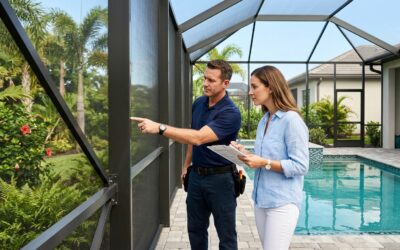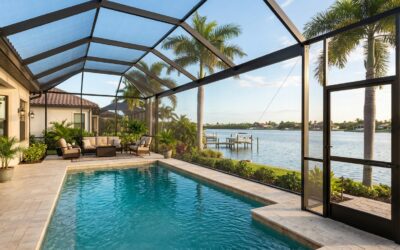
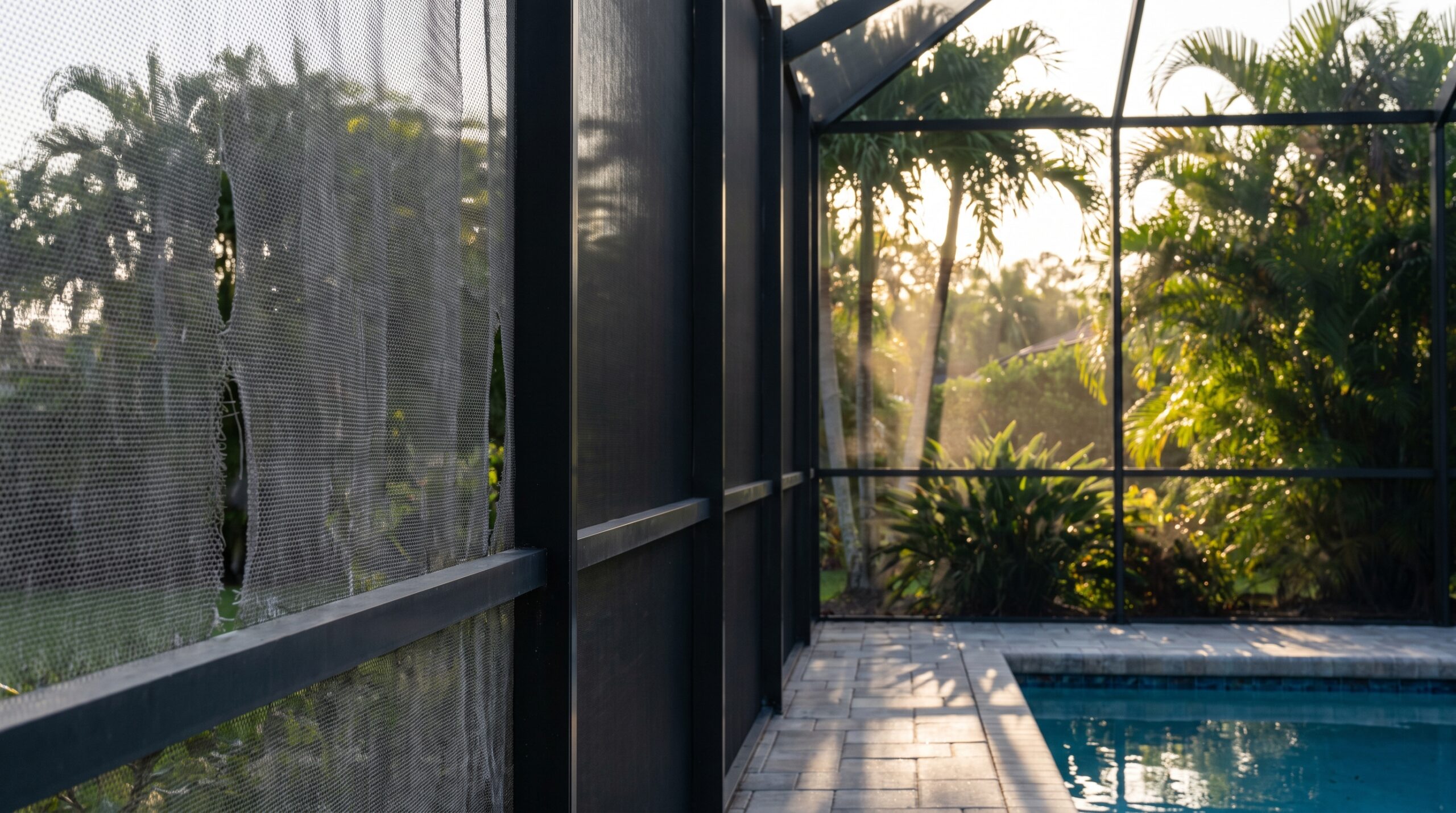
Living in Sarasota offers an unparalleled outdoor lifestyle, where the shimmering Gulf Coast sun and temperate evenings draw homeowners to their pools year-round. However, the very environment that makes our region a paradise—salt air, intense UV exposure, and hurricane-force winds—also creates a harsh reality for your pool cage. Maintaining an aluminum enclosure is not merely about aesthetics; it is about structural preservation. Whether you are facing post-storm damage or simply worn-out mesh, rescreening is a significant investment. This guide serves as your authoritative resource for navigating the Sarasota pool enclosure market, ensuring you hire a professional who respects your home and understands the unique climate of the Florida Gulf Coast.
Why Quality Rescreening is Critical for Sarasota Homes
 The Sarasota climate presents three major threats to your pool enclosure: hurricane-force winds, salt-air corrosion, and intense UV rays.
Navigating High-Wind Zones and Hurricane Building Codes
Sarasota is situated in a high-wind velocity zone. When you repair or replace screen panels, you are interacting with a structure governed by strict Florida Building Codes. Improperly secured screens act as sails during a storm; if the spline or frame integrity is compromised, the entire cage can suffer catastrophic failure. A professional contractor understands that wind-load requirements aren’t just suggestions—they are legal mandates designed to keep your enclosure, and your property, intact when extreme weather hits.
The Invisible Threat: Combating Salt-Air Corrosion in Coastal Communities
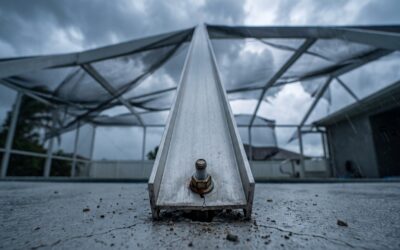
The salt-laden air characteristic of the Florida coast is an invisible, relentless adversary. It eats away at common fasteners, turning standard steel into brittle, rusted debris in a matter of months. A reputable contractor knows that using high-grade stainless steel hardware is not an “upsell”—it is a necessity. If your current enclosure is failing, salt corrosion is likely the culprit behind the scenes. Quality rescreening addresses this by replacing outdated or corroded fasteners to ensure the structural longevity of the entire frame.
Why the “Cheapest Bid” Often Fails in the Florida Climate
In the home services industry, the “cheapest bid” is rarely a bargain. Low-cost operators often cut corners by using inferior mesh, skipping proper cleaning of the aluminum channels, or failing to address structural fasteners. When you hire based solely on price, you are likely paying for a temporary fix that will succumb to the Sarasota sun and moisture within two years. An authoritative contractor provides an estimate that accounts for the labor-intensive reality of a proper installation, saving you the cost of premature repairs.
Vetting Sarasota Contractors: Essential Licensing and Insurance
Verifying Active Licensing via the Department of Business & Professional Regulation (DBPR)
Never assume a company has the correct credentials. In Florida, pool enclosure work requires specific expertise. Look for an Aluminum Specialty Contractor license rather than a generic general contractor license. This ensures the company has passed exams specifically related to aluminum structures. You must independently verify their status through the DBPR website. If a contractor hesitates to provide their license number, treat it as a significant red flag.
The Critical Role of Workers’ Compensation in High-Altitude Pool Cage Work
Rescreening involves working at heights, often balanced on ladders or the cage structure itself. If a worker is injured on your property and the contractor lacks workers’ compensation insurance, you may be held legally and financially liable. Always demand proof of a current workers’ compensation policy. This is not just about compliance; it is your ultimate protection against a personal injury lawsuit occurring on your premises.
General Liability Coverage: Protecting Your Property During Renovation
General liability insurance covers damages to your property, such as a dropped tool damaging your pool deck or an accidental impact with your home’s exterior walls. A professional will provide a Certificate of Insurance (COI) upon request. Do not accept a verbal claim of coverage; verify that the policy is active and sufficient to cover the value of your specific home and pool area.
How to Use MyFloridaLicense.com for Contractor Verification
The MyFloridaLicense.com portal is the definitive tool for Sarasota homeowners. Use it to verify that the contractor’s license is “Current/Active” and to check for any public complaints or disciplinary actions. This public record provides an objective view of a company’s professional history, allowing you to filter out unreliable or unprofessional actors before they ever step onto your property.
Navigating the Permitting and Legal Landscape
Sarasota County Building Permits: Defining Permit Responsibility
While minor mesh replacement is sometimes considered maintenance, structural repairs or full rescreening often trigger permit requirements under Sarasota County ordinances. A reputable contractor will handle the permit application process for you. They should clearly define who is responsible for filing the paperwork, paying the fees, and scheduling the final inspection. Never take on the burden of permitting yourself unless you are well-versed in local codes.
Understanding Florida Lien Law and Protecting Your Property Investment
Under Florida law, if a contractor fails to pay their suppliers or subcontractors, those parties can place a lien on your property to recover costs. To protect yourself, ensure your contract includes a provision for “Lien Releases.” Before making your final payment, demand a “Final Waiver of Lien” from the contractor, confirming that all materials have been paid for and no secondary parties have a claim against your home.
Avoiding the “Handshake Deal”: The Necessity of a Detailed Written Contract
A written contract is your primary defense against project creep and financial disputes. It must be comprehensive, detailing every aspect of the project. If it isn’t in writing, it doesn’t exist. Avoid any contractor who insists on a “handshake deal” to “save on taxes” or speed up the timeline. A professional, legally binding document is the mark of a business that values transparency and accountability.
Compliance with the Florida Building Code for Outdoor Structures
Florida’s building codes are among the strictest in the nation for a reason. Your contractor must ensure that the work performed—whether it involves new aluminum members or upgraded hardware—meets current local standards. This compliance is essential for both your safety and your ability to maintain valid property insurance.
Selecting the Right Materials for Longevity and Performance
Mesh Material Science: Comparing Standard, Pet Screen, and No-See-Um Mesh
The type of mesh you choose dictates your experience. Standard screen provides basic insect protection. Pet screen is reinforced to withstand claws and heavy impact. No-See-Um mesh features a tighter weave to block tiny sand gnats. Your contractor should guide you based on your location; if you live near the mangroves, No-See-Um mesh is an absolute requirement, while homes with active pets may require specialized, durable mesh options.
Why Material Procurement from Reputable Suppliers Matters
Materials procured from big-box stores are often of inferior quality compared to the specialized industrial-grade supplies used by elite contractors. High-quality aluminum and premium, UV-resistant screen material will last significantly longer. A true expert will source materials from established regional suppliers who understand the specific needs of the Sarasota climate.
Beyond the Mesh: Upgrading Fasteners and Cables to Resist Corrosion
The mesh is only as strong as the fasteners holding it in place. Request the use of 304 or 316-grade stainless steel fasteners for all connections. Additionally, if your cage includes cables for stability, ensure they are checked for tension and that the attachment points are free from oxidation. These small, often-overlooked components are the primary failure points in Florida pool cages.
Solar Heat Gain and Sun-Control Screens for Florida Summers
If your pool area receives intense direct sunlight, consider solar-control screens. These materials are engineered to reduce heat gain, keeping your pool deck significantly cooler and protecting your outdoor furniture from UV-induced fading. Discuss these options with your contractor to see if an upgrade makes sense for your specific exposure.
The Financial Roadmap: Estimates, Payments, and Contracts
Analyzing a Detailed Scope of Work to Avoid Hidden Fees
A professional estimate should be a detailed “Scope of Work” (SOW). It must explicitly state the materials being used, the warranty coverage, the cleanup protocol, and the total cost. If you see vague line items like “Miscellaneous Materials,” ask for clarification. A transparent SOW ensures that you and your contractor are aligned, preventing expensive mid-project surprises.
The Dangers of Large Deposits: Implementing Milestone-Based Payments
Avoid contractors who demand the full payment upfront. A fair payment structure typically involves a deposit to cover materials, followed by payments tied to project milestones. This ensures the contractor is motivated to complete the work efficiently and gives you financial leverage until the job is completed to your satisfaction.
Retainage: Using Withholding as a Quality Control Tool
Retainage is a standard industry practice where you withhold a small percentage of the final payment until the project passes final inspection and you are satisfied with the cleanup and craftsmanship. This final check ensures that the contractor is committed to finishing the project to the highest standard, rather than abandoning the site after the primary work is done.
Managing Project Adjustments through a Formal Change Order Process
Unexpected issues often arise once the old screen is removed, such as discovering rusted-out aluminum members. Any changes to the original scope must be documented in a written “Change Order.” This document should state the nature of the change and the associated cost. Never authorize verbal changes, as they often lead to disputes over the final invoice.
Evaluating Reputation and Professionalism
Decoding Online Reviews and Better Business Bureau Ratings
While online reviews provide a glimpse into past customer satisfaction, look for patterns. A single bad review is common, but a pattern of complaints regarding communication or material quality should be a red flag. Check the Better Business Bureau (BBB) for any open, unresolved complaints. A company that proactively responds to and resolves issues demonstrates a high level of professional integrity.
Reviewing a Contractor’s Portfolio of Completed Sarasota Projects
Ask to see a portfolio of recent work. A contractor who is proud of their craftsmanship will gladly show you examples of their finished enclosures. Look for tight, wrinkle-free screening and clean, well-aligned aluminum framing. The visual quality of their previous work is the best indicator of what you can expect on your own property.
Checking Local References: Asking the Right Questions
Ask the contractor for three local references from the past six months. When calling these homeowners, focus your questions on the contractor’s reliability: Did they show up on time? Was the final price consistent with the estimate? Did they leave the pool area clean? A happy, long-term customer is the best indicator of a contractor’s ongoing professional standard.
The Difference Between a Specialized Screen Contractor and a General Handyman
It is tempting to hire a handyman for a quick rescreening job. However, there is a massive difference between a generalist and a specialist. A specialist has the right tools for professional spline installation, understands the tensioning requirements for Florida wind codes, and keeps up with current, local building regulations. A handyman may solve your immediate problem, but they rarely have the expertise to protect the long-term structural integrity of your enclosure.
Conclusion
Choosing the right partner for your pool cage rescreening in Sarasota is a balance of rigorous verification and clear communication. By prioritizing active licensing, demanding comprehensive written contracts, and insisting on premium, corrosion-resistant materials, you transform a necessary maintenance task into a long-term investment. Remember to follow these non-negotiable steps: verify credentials on MyFloridaLicense.com, insist on a detailed scope of work, implement milestone-based payments, and never bypass the permit process. By following this guide, you protect your home’s value and ensure that your outdoor living space remains the safe, beautiful oasis you envisioned. Don’t settle for a quick fix; prioritize the structural longevity and professional standards that your property deserves. Start your vetting process today, and secure the comfort and safety of your Sarasota home for years to come.