The Importance of a Healthy Lanai Screen Enclosure in Florida
In the heart of Florida, where sunshine and balmy breezes beckon, the lanai serves as a cherished extension of home—a sanctuary for relaxation, entertainment, and embracing the outdoor lifestyle. This screened-in haven offers a crucial buffer, keeping unwelcome pests at bay while allowing gentle air circulation. However, the very elements that make Florida living desirable also pose a constant challenge to the integrity of your lanai screens. From intense UV rays and high humidity to sudden, powerful storms, the relentless weather can take a significant toll. In fact, the demand for outdoor spaces has surged by 50% since 2020, according to the National Association of Home Builders (NAHB), underscoring the value homeowners place on these areas. Yet, with this increased use comes a greater likelihood of wear and tear on the essential components that maintain their functionality and comfort. Many homeowners face unexpected home repairs, with a staggering 83% experiencing them in 2024, according to a report cited by Hippo. This highlights the critical importance of proactive maintenance, especially for areas like your lanai screen enclosure. Neglecting small signs of damage can lead to more significant problems, diminishing the enjoyment of your outdoor living space and potentially leading to costly repairs down the line. This article will guide you through the seven most obvious signs that your lanai screens need attention, along with practical steps to ensure your enclosure remains a pristine and functional retreat.
More Than Just a Barrier: Benefits of a Screened-In Lanai
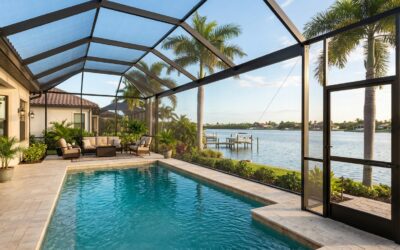
 A lanai screen provides a multi-functional barrier, enhancing comfort by keeping out pests and debris.
A well-maintained lanai screen enclosure offers a multitude of benefits that enhance the Florida lifestyle. Primarily, it acts as an impenetrable barrier against a wide array of common pests. This includes mosquitoes, which can carry diseases—in 2024, there were over 7,500 reported cases of locally acquired mosquito-borne disease in the United States and its territories according to OSHA. It also keeps out no-see-ums, flies, roaches, and other buzzing or crawling intruders. Beyond pest control, screens prevent the accumulation of windblown debris such as leaves, pollen, and dirt, keeping your lanai cleaner and reducing the frequency of cleaning. Furthermore, a screened enclosure provides a sense of privacy and security, creating a contained and comfortable outdoor living area. This space can be used for dining, lounging, exercising, or simply enjoying the fresh air without the constant concern of insect bites or a cluttered environment. The aesthetic appeal of a clear, well-fitted screen also contributes to the overall charm and value of your home; after all, 97% of real estate professionals believe curb appeal is important in attracting a buyer according to the National Association of Realtors (NAR).
The Silent Threat: Why Screen Damage Matters
While a few tiny holes might seem insignificant, damage to your lanai screens can silently compromise the integrity and enjoyment of your entire enclosure. What starts as a minor tear can quickly escalate into a much larger problem. The open mesh of a damaged screen provides an easy entry point not only for bugs but also for other annoyances like leaves, dirt, and even small animals. This not only defeats the primary purpose of the screen but can also lead to increased cleaning and maintenance efforts. Furthermore, damaged screens can detract from the aesthetic appeal of your home. Sagging or ripped screens create an unkempt appearance, diminishing curb appeal and potentially impacting property value. In more severe cases, compromised screen enclosure integrity can affect airflow, leading to a stuffy or stagnant atmosphere within the lanai, and can even pose safety risks during strong weather events. Addressing screen damage promptly is not just about aesthetics; it’s about preserving the functionality, comfort, and safety of your valuable outdoor living space.
The 7 Obvious Signs Your Lanai Screen Needs Repair (And What They Mean)
Recognizing the early signs of lanai screen damage is crucial for timely intervention. Ignoring these indicators can lead to further degradation and more costly repairs. Here are seven tell-tale signs that your lanai screens are signaling a need for attention:
The Visible Breach: Tears, Rips, and Holes in Your Screen Mesh
This is often the most apparent indicator of damage. Tears, rips, and holes, regardless of size, represent a direct compromise of the screen’s protective barrier. These breaches can be caused by a variety of factors, including sharp objects, pet claws, impacts from fallen branches, or simply wear and tear over time. Even a small hole can allow numerous insects to enter your lanai. If you notice any visible gaps in the screen mesh, it’s a clear signal that repair is needed.
The Sagging Screen: Loose Mesh and Lost Tension
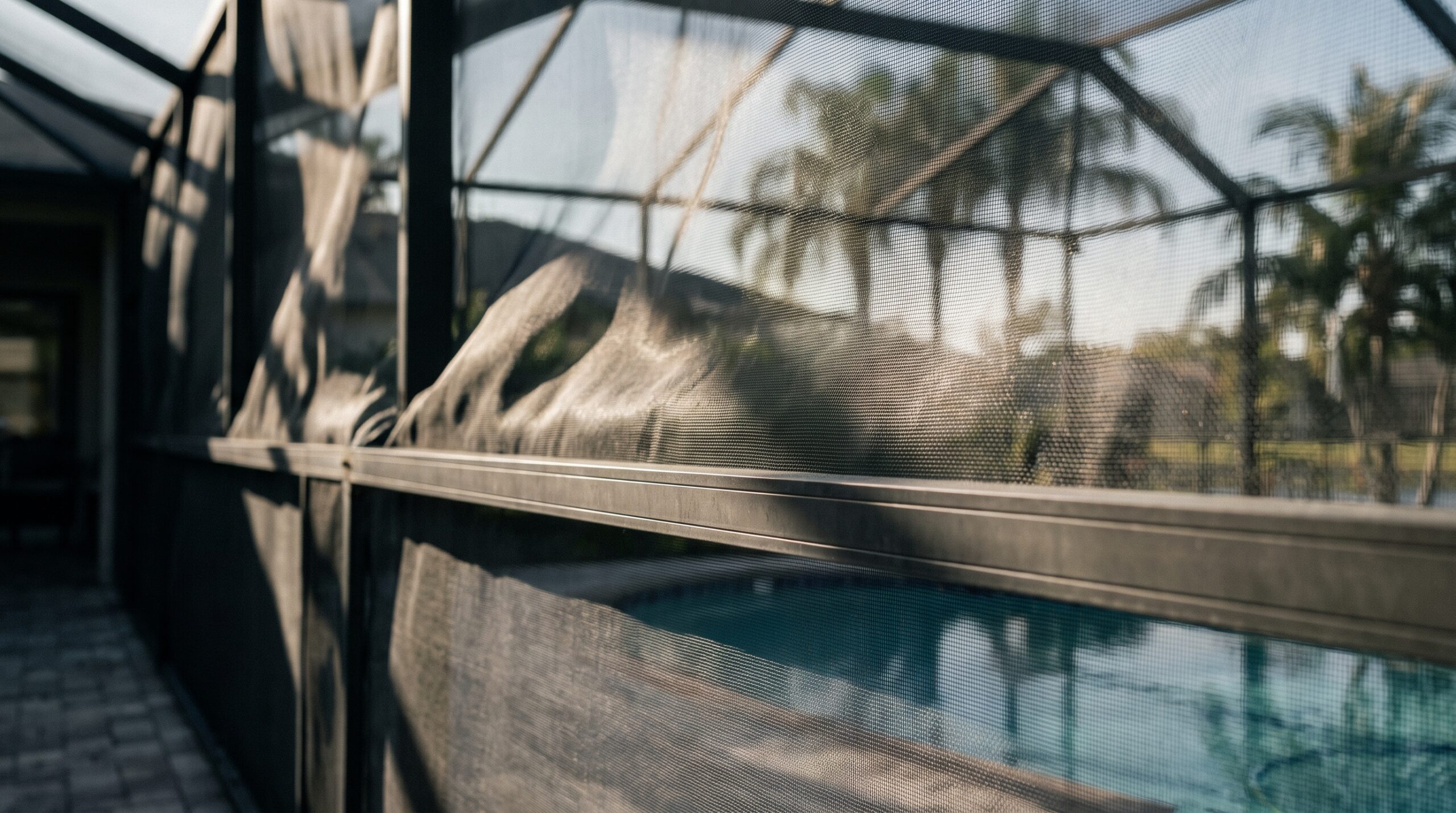
A properly installed screen has consistent tension, providing a taut and smooth appearance. When lanai screens begin to sag or appear loose, it signifies a loss of this essential tension. This can occur due to several reasons: improper initial installation, the screen material stretching over time, or damage to the spline that holds the mesh in place within the frame. Sagging screens not only look unsightly but also create small gaps along the edges where pests can enter. This sign indicates that the screen’s structural integrity is weakening.
Discoloration & Fading: The Sun’s Toll on Your Lanai Screen
Florida’s abundant sunshine, while a perk of living in the Sunshine State, can be harsh on screen materials. Over time, prolonged exposure to UV radiation can cause screen mesh to become brittle, faded, and discolored. Outdoor plastics, for instance, have a significantly shortened lifespan of just 1-3 years outdoors compared to 5-8 years indoors according to Yoochen Plastics. This discoloration is more than just an aesthetic issue; it’s a sign that the screen material itself is degrading. Brittle screens are more susceptible to tearing and ripping, meaning faded areas are often the first to fail during storms or with increased use.
Corroded Hardware & Damaged Frame: Beyond the Screen Fabric
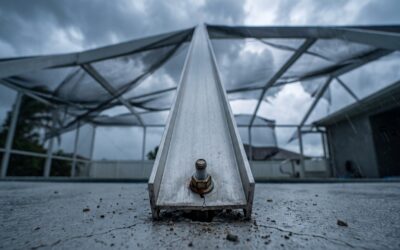
Damage to your lanai screen enclosure isn’t always limited to the screen material itself. Inspect the metal components like screws, hinges, and latches for signs of corrosion. Salt air, common in coastal Florida areas, is a significant contributor to rust and corrosion. Similarly, check the aluminum frame for dents, bends, or cracks. Corroded hardware can become weak and may break, while a damaged frame can warp or lose its structural integrity, leading to gaps that allow pests to enter, even if the screen mesh itself is intact. This indicates a broader issue with the overall enclosure system.
Unwelcome Guests: Pests, Bugs, and Debris Inside Your Enclosure
Perhaps the most direct consequence of screen damage is the unwelcome appearance of pests, bugs, and debris within your lanai. If you’ve noticed an increase in mosquitoes, flies, or other insects, or if leaves and dirt are accumulating more frequently, your screens are likely compromised. As mentioned, the increasing incidence of mosquito-borne diseases underscores the public health importance of intact screens according to OSHA. This symptom is a clear indicator that your screen’s barrier function has failed, necessitating immediate attention.
Sticking Doors & Loose Latches: The Sign of a Misaligned Screen Door
Your lanai screen door is a vital component of the enclosure, and its functionality is directly linked to the integrity of the surrounding screen and frame. If your screen door has started sticking, dragging along the ground, or if latches feel loose or don’t engage properly, it often points to underlying issues with the screen mesh or frame. The screen may have shifted, causing the door to misalign, or the frame itself might be warped due to damage or stress. This not only affects convenience but also indicates that the seal between the door and the frame is no longer airtight, allowing pests to enter.
Reduced Airflow & Obscured Views: Your Lanai Feels Stuffy and Hazy
A functional lanai screen enclosure promotes excellent airflow and provides clear, unobstructed views of your surroundings. If your lanai consistently feels stuffy, stagnant, or if the view from within appears hazy or distorted, it’s often a sign that your screens are deteriorating. Accumulated dirt, grime, or material breakdown can significantly impede airflow and clarity. This impacts the primary benefit of an outdoor living space—enjoying the fresh air and pleasant scenery. A hazy view and poor airflow detract from the overall experience and suggest the screen mesh is no longer performing optimally.
Your Next Steps: Deciding Between Repair, Rescreen, or Replacement
Once you’ve identified signs of damage, the next logical step is to determine the best course of action. The decision between a simple patch, a full rescreen, or complete replacement depends heavily on the extent and nature of the damage, as well as your budget and long-term goals. The average homeowner spends a significant amount on home maintenance annually, with one report indicating it could be around $8,808 per year according to Pearl Certification via Bankrate, making judicious spending on repairs important.
Minor Damage: DIY Patching and Quick Fixes
For very small tears or holes (typically smaller than a quarter), a DIY patch might be a temporary solution. Special screen repair kits are available at most hardware stores. These kits usually involve adhesive patches that can be applied over the damaged area. It’s crucial to ensure the screen material is clean and dry before applying any patch to ensure it adheres properly. However, DIY patches are often less durable and may not perfectly match the screen’s appearance. They are best suited for minor cosmetic fixes or as a very short-term solution before a professional repair.
Extensive or Recurring Damage: When to Call a Professional
If you notice multiple tears, large rips, significant sagging, widespread discoloration, or corrosion on hardware, it’s time to call a professional screen repair service. Attempting to patch extensive damage can be time-consuming and may not yield satisfactory or lasting results. Professionals have the expertise and tools to properly assess the damage, identify underlying issues (like frame problems), and perform repairs that restore the integrity of your enclosure. Recurring damage, even if minor, might also indicate an issue with the screen material’s quality or installation, necessitating expert intervention.
The Full Rescreen: Investing in Long-Term Protection
For lanai enclosures that are aging or have experienced significant wear and tear across multiple panels, a full rescreen is often the most cost-effective and efficient solution. This process involves removing the old screen material from the entire enclosure and replacing it with new screen mesh. A professional rescreen not only repairs all damaged areas simultaneously but also allows you to upgrade to a more durable or specialized screen material, such as pet-resistant or solar screens, which can enhance your lanai’s performance and longevity. It’s an investment that restores the enclosure’s protective capabilities and aesthetic appeal.
What to Look for in a Professional Screen Service
When choosing a professional for your screen repair or rescreening needs, look for a company with a solid reputation, positive customer reviews, and experienced technicians. Ensure they offer transparent pricing and provide a detailed estimate before starting work. Inquire about the types of screen materials they use and ask for recommendations based on your specific needs and Florida’s climate. A reputable service will also stand behind their work with a warranty. Understanding their process for measuring, cutting, and installing the screen mesh will give you confidence in their expertise.
Proactive Measures: Preventing Future Lanai Screen Damage
While repairs are sometimes unavoidable, implementing proactive measures can significantly extend the life of your lanai screens and reduce the frequency of costly interventions.
Regular Visual Inspections
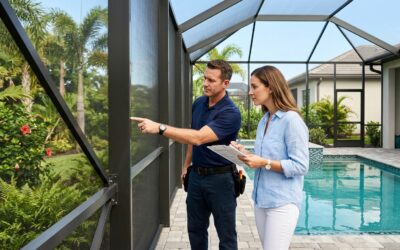
Make it a habit to conduct regular visual inspections of your lanai screens. A quick walkthrough every few months can help you spot minor issues before they escalate. Look for tears, sagging, loose splines, or any signs of corrosion on the frame and hardware. Early detection is key to preventing small problems from becoming major ones.
Smart Material Choices: UV-Resistant & Pet-Resistant Screens
When it’s time for a rescreen, consider upgrading your screen material. For Florida’s intense sun, UV-resistant screens offer superior durability against degradation. If you have pets, pet-resistant screens are a wise investment, designed to withstand claws and frequent contact. Specialized solar screens can also reduce heat and glare, enhancing comfort while protecting the mesh from excessive UV exposure.
Preparing for Florida Weather & Hurricane Season
Florida’s weather can be unpredictable, with severe storms and hurricane season posing significant risks. While most lanai screens are designed to withstand typical weather, extreme winds can cause damage. Consider options like “super screen” for enhanced durability in high-wind areas or ensure your enclosure has proper support structures. During severe weather warnings, it’s advisable to remove any lightweight furniture or decor from the lanai that could become projectiles.
Routine Cleaning and Maintenance
Keeping your lanai screens clean is a simple yet effective way to maintain their condition. Regularly wash down the screens with mild soap and water to remove accumulated dirt, salt residue, and pollen. This prevents the buildup of grime that can clog the mesh, impair airflow, and accelerate material degradation. Ensure water runs off freely and the screens dry properly to prevent mildew.
Conclusion: Enjoying Your Flawless Lanai
Don’t Let Damage Diminish Your Outdoor Living
Your lanai is more than just an outdoor space; it’s an integral part of your Florida home, designed for relaxation, entertainment, and embracing the beautiful climate. The condition of your lanai screens plays a pivotal role in maintaining the comfort, functionality, and aesthetic appeal of this valuable area. Recognizing the seven obvious signs of damage—from visible tears and sagging mesh to corrosion and pest intrusion—is the first step towards preserving this cherished retreat. By understanding what each sign indicates and its potential consequences, you can make informed decisions about necessary repairs and maintenance.
Get a Professional Assessment Today (CTA)
Addressing screen damage proactively not only prevents further deterioration and more significant expenses but also ensures you continue to enjoy the full benefits of your screened enclosure—pest-free comfort, clear views, and pleasant airflow. Whether it’s a minor patch for a small tear, a full rescreen to rejuvenate your entire enclosure, or an upgrade to more resilient screen materials, taking action is essential. Don’t let minor issues detract from your outdoor living experience or become costly unforeseen repairs. Schedule a professional inspection today to ensure your lanai screens are in top condition, safeguarding your oasis for years to come.