Navigating Your Pool Cage Conundrum
A pristine pool and a well-maintained backyard oasis are hallmarks of Florida living. Central to this dream is the pool cage, an often-underestimated structure that offers protection, privacy, and a dedicated outdoor living space. However, exposure to the relentless Florida sun, humidity, and occasional severe weather can take a toll. When signs of wear and tear begin to appear, homeowners face a crucial decision: is it time for a simple screen repair, a comprehensive rescreening, or perhaps a more involved restoration? Navigating this conundrum requires understanding the components of your pool enclosure, recognizing the subtle and obvious signs of damage, and weighing the cost-effectiveness of each solution. This guide will equip you, the homeowner, with the expert knowledge needed to make an informed decision that safeguards your investment and enhances your outdoor enjoyment.
The Importance of Your Pool Enclosure in Florida
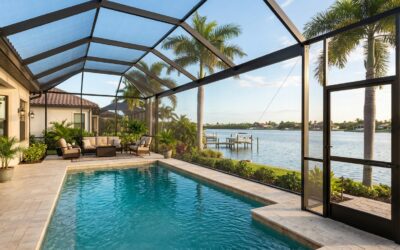
In Florida, a pool enclosure is far more than an aesthetic addition; it’s a functional necessity. The state’s tropical climate, characterized by high humidity and intense UV exposure, places unique demands on outdoor structures. A robust pool cage serves multiple critical purposes. It acts as a formidable barrier against insects, leaves, and other debris, ensuring your pool water stays cleaner and requires less maintenance. This protection extends to creating a safe, contained environment for children and pets. Furthermore, screen enclosures contribute to the overall ambiance and usability of your outdoor living space, transforming a standard patio or lanai into a comfortable, extended area for relaxation and entertainment. The global swimming pool enclosure market, valued at approximately USD 1.5 billion in 2023 and projected to reach USD 2.5 billion by 2032, Dataintelo, 2025, signifies the widespread recognition of their value. Maintaining this vital component of your Florida home is key to maximizing its benefits and longevity.
The Common Dilemma: Repair, Rescreen, or Restore?
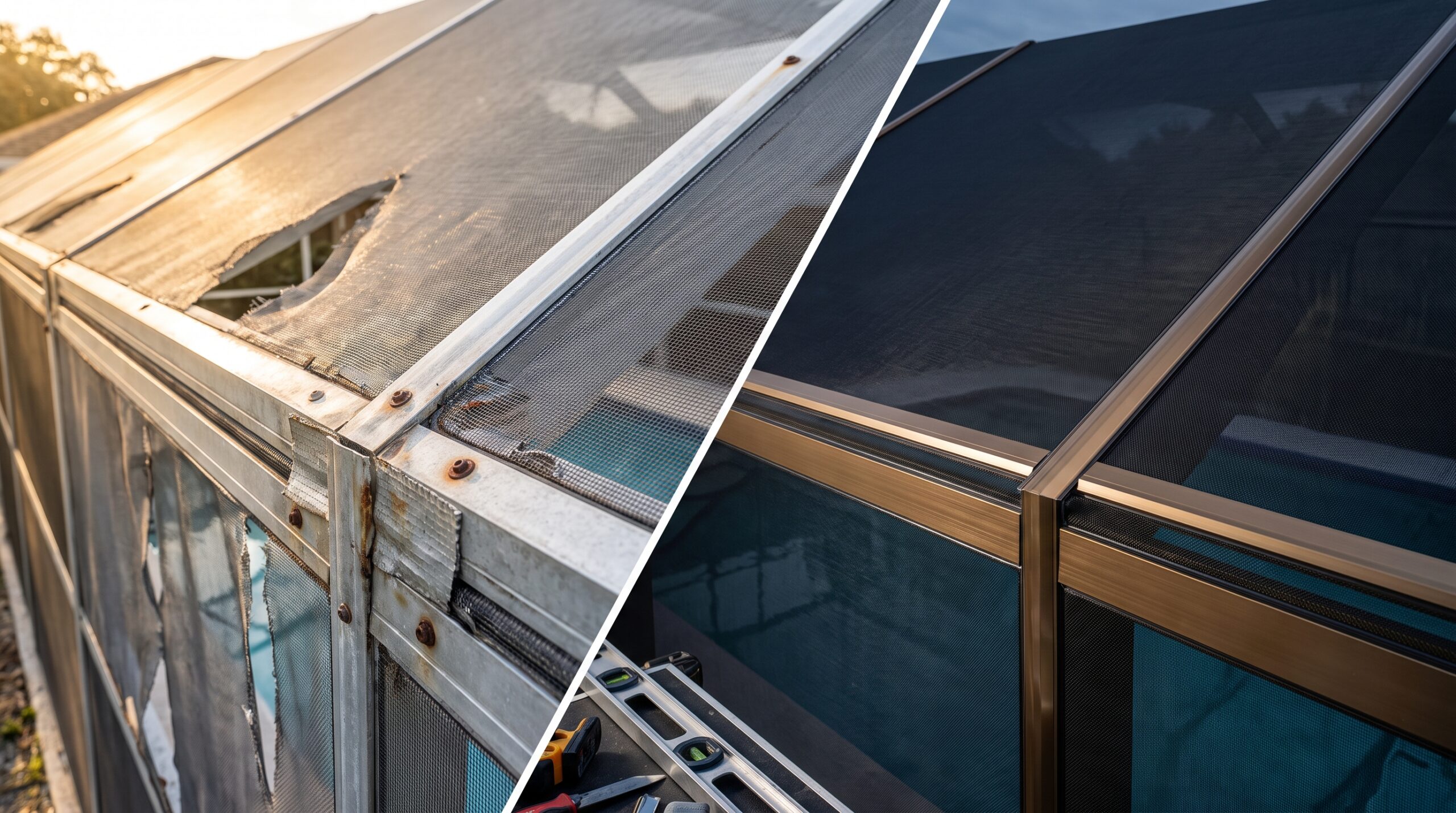
 A quick guide to help you decide whether your pool cage needs a simple repair, a full rescreening, or a complete restoration.
Many homeowners find themselves at a crossroads when their pool cage begins to show signs of age or damage. A minor tear might seem like an easy fix, but what if multiple panels are affected? When does a series of small repairs become more expensive and less effective than a complete overhaul? This is where the confusion often sets in. The decision is influenced by several factors, including the extent and nature of the damage, the age of the enclosure, budget constraints, and the homeowner’s desired long-term outcome. Understanding the nuances between repair, rescreening, and restoration is essential for making the most cost-effective and practical choice.
What This Guide Will Cover: Making an Informed Decision for Homeowners
This expert guide is designed to demystify the process of pool cage maintenance. We will dissect the anatomy of a pool enclosure, explore the common culprits behind screen degradation, and detail the tell-tale signs that signal a need for attention. You’ll gain a clear understanding of what constitutes a simple screen repair versus the comprehensive benefits of a full rescreening. We’ll delve into the various screen mesh options available and discuss when structural restoration becomes as important as screen replacement. Ultimately, this guide will provide you with a practical framework for assessing your specific situation, considering your budget, and making the right decision for your Florida pool enclosure.
Understanding Your Pool Cage: More Than Just Screens
A pool cage is a complex system where multiple components work in harmony to provide a protected outdoor environment. Neglecting any single part can compromise the integrity and functionality of the entire structure.
Components of a Pool Cage Enclosure
The foundational element of any pool enclosure is its framework, typically constructed from durable aluminum. This framing supports the screening material and anchors the entire structure. Woven into this framework are the screens themselves, made from various mesh materials designed to allow airflow while blocking pests and debris. Crucial to holding the screens taut and in place are the spline (a rubber or vinyl cord) and fasteners, such as screws, which secure the panels to the framing. Doors and gates, along with their hinges and latches, are also integral parts of the enclosure’s functionality. The secure anchoring of the entire structure to the ground or the home’s foundation is paramount, especially in hurricane-prone regions like Florida.
The Role of Screens in Your Outdoor Living Space
The screens are the most visible and often the most vulnerable part of your pool enclosure. Their primary function is to create a physical barrier that significantly reduces the ingress of insects, such as mosquitoes and gnats, as well as leaves, twigs, and other airborne debris. This protection is vital for maintaining pool cleanliness and reducing the need for constant cleanup. Beyond their protective role, screens contribute to the aesthetic appeal of your home and create a comfortable, shaded environment. They can also offer a degree of privacy and help filter harmful UV rays, making your lanai or patio a more enjoyable and usable extension of your home. As noted by Maryland Sunrooms, screen enclosures act as a physical barrier that can effectively reduce mosquito and larger insect entry into outdoor living spaces.
Common Factors Affecting Screen Longevity (Florida’s Harsh Weather Conditions, UV exposure, humidity, storm damage, pests)
Florida’s environment presents a unique set of challenges that can accelerate the degradation of pool cage screens. Intense and prolonged UV exposure from the sun is a primary culprit, causing fiberglass mesh to become brittle and lose its structural integrity over time. High humidity levels create an ideal breeding ground for mold and mildew, which can not only cause unsightly discoloration but also weaken the mesh fibers. Furthermore, the frequent threat of storm damage, whether from high winds, heavy rain, or hail, can cause tears, punctures, or even dislodge entire screen panels. Pests, including birds and rodents, can also inflict damage with their claws or teeth. Over time, even without extreme events, general wear and tear, and the constant tension on the screens, will eventually lead to their breakdown. Fiberglass screens, commonly used for pool cages, typically last between 10 to 15 years, while more durable polyester screens can last 20 to 30 years Vertex AI, 2023.
Signs Your Pool Cage Needs Attention: When to Act
Recognizing the signs that your pool enclosure requires attention is crucial for preventing minor issues from escalating into costly problems. These indicators range from obvious physical damage to subtle signs of material fatigue.
Obvious Damage: Tears, Holes, and Detachments
The most apparent indicators that your pool cage needs intervention are visible tears, rips, and holes in the screen mesh. These can range from small punctures, often caused by sharp objects or animal claws, to large gashes resulting from significant impact. Detached or loose screen panels are another clear sign that the spline holding the screen in place has failed or the framing itself has shifted. Addressing these issues promptly is important to prevent further fraying and to stop pests from entering the enclosure.
Subtle Signs of Wear: Fading, Sagging, and Loss of Tension (signs of aged screening)
Beyond visible damage, aged screening exhibits more subtle signs of wear. Fading and discoloration, particularly a chalky white appearance from UV damage, indicate that the mesh is deteriorating. Sagging screens or a noticeable loss of tension suggest that the material has lost its elasticity and may be on the verge of tearing. When screens feel brittle to the touch or begin to crack when gently handled, they are nearing the end of their lifespan. These signs, while less dramatic than holes, signal that a comprehensive rescreening might be the most logical next step to ensure consistent protection.
Structural Red Flags: Rusting Screws, Damaged Aluminum Framing, and Loose Fasteners
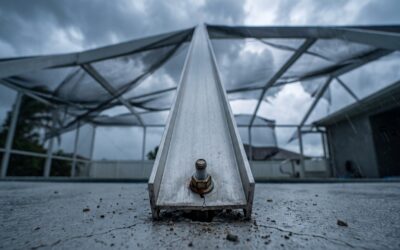
The integrity of the aluminum framing and fasteners is as vital as the screens themselves. Rusting screws are a significant red flag, especially in Florida’s humid and salty air, indicating potential corrosion that can compromise the structural stability of the enclosure. Look for damaged, corroded, or bent aluminum framing, as well as loose or missing bolts and screws. These structural issues not only affect the enclosure’s ability to withstand weather but can also lead to premature screen failure and potential safety hazards.
Aesthetic Concerns: Algae Growth, Dirt Buildup, and General Deterioration
While not always indicative of structural failure, persistent algae growth, stubborn dirt buildup, and the general deterioration of the pool cage’s appearance can detract from your home’s curb appeal. These aesthetic issues can sometimes mask underlying problems and, if left unaddressed, can contribute to the overall wear and tear of the enclosure. A clean, well-maintained exterior reflects positively on the property and suggests a proactive approach to home maintenance.
Option 1: Pool Cage Screen Repair – The Quick Fix
For homeowners facing minor issues, pool cage screen repair offers a seemingly straightforward solution to restore functionality and appearance.
What Constitutes a Screen Repair? (Small tears, individual screen panels)
A screen repair typically involves addressing small, isolated tears or holes in an otherwise intact screen panel. This might involve patching the damaged area with a piece of matching screen material or using specialized screen repair tape or kits. The focus is on fixing individual sections rather than replacing the entire screen.
When Is Repair the Right Solution? (Isolated damage, minor issues)
Screen repair is often the most appropriate choice when the damage is limited to one or two small areas, and the majority of the screen mesh is still in good condition, free from fading, sagging, or brittleness. It’s a viable option for homeowners with tight budgets who need an immediate fix for minor imperfections or accidental damage. This approach can also be considered if the pool enclosure is relatively new and the damage is clearly isolated.
The Limitations of Patchwork Repairs (screen repair tape, screen repair kit, short-term vs. long-term value, aesthetics)
While cost-effective in the short term, patchwork repairs have significant limitations. Patches, whether from tape or kits, can be visually noticeable and may not seamlessly blend with the existing screen, impacting aesthetics. More importantly, these repairs often represent a short-term fix rather than a long-term solution. A patched area can sometimes put additional stress on the surrounding mesh, leading to further tears. The long-term value is diminished as the underlying issues of aged or weakened screening are not addressed.
Potential Future Maintenance Costs of Frequent Repairs
Opting for repeated screen repairs can paradoxically lead to higher long-term costs. Each repair adds a point of potential failure and can be time-consuming. If multiple small repairs are needed across the enclosure, the cumulative cost can approach, or even exceed, the expense of a full rescreening. Moreover, frequent repairs suggest that the screen material itself is nearing its end of life, and further damage is likely inevitable, leading to a cycle of ongoing, costly interventions. In fact, repairing or refinishing an existing patio, an outdoor living space component, can yield an ROI of nearly 500%, significantly higher than building a new one Extra Space Storage, 2026, highlighting the financial prudence of addressing issues proactively, even if it involves a larger upfront cost like rescreening.
Option 2: Full Pool Cage Rescreening – The Comprehensive Solution
When minor repairs are no longer sufficient, full pool cage rescreening offers a complete restoration of your enclosure’s protective and aesthetic qualities.
What Does Full Rescreening Entail? (Replacing all screen mesh)
Full rescreening involves the systematic removal of all existing screen mesh and spline from the pool cage. The aluminum framework is then cleaned, and new screen mesh of the homeowner’s choice is carefully installed, tensioned, and secured with new spline. This process ensures a uniform appearance and optimal performance across the entire enclosure.
When Is Full Rescreening the Best Choice? (Widespread damage, aged screens, storm impact, desire for upgrade)
Full rescreening is the ideal solution when damage is widespread, affecting multiple panels, or when the existing screens are significantly aged, brittle, faded, or sagging. It’s also the best course of action following substantial storm damage that has compromised a large portion of the enclosure. For homeowners looking to upgrade the functionality or aesthetics of their pool cage, rescreening provides an opportunity to select newer, more durable, or specialized mesh materials. It is the most cost-effective approach when frequent, minor repairs become a recurring expense.
The Benefits of a Full Rescreening (aesthetics, pest protection, UV filters, renewed curb appeal, long-term durability)
The advantages of a full rescreening extend far beyond simply replacing damaged screens. It dramatically enhances the aesthetics and curb appeal of your property, providing a clean, uniform, and like-new appearance. The new mesh offers renewed and comprehensive pest protection, ensuring your pool area remains a sanctuary free from insects and debris. Opting for specialized mesh can also improve UV filtration, further protecting your pool water and outdoor furniture. This investment offers long-term durability and peace of mind, restoring the enclosure to optimal protective function.
Importance of Proper Installation and Mesh Tensioning
The quality of the installation is paramount to the longevity and performance of new screens. Proper mesh tensioning is critical; if the screen is installed too loosely, it can sag, become unsightly, and be more susceptible to tearing. If installed too tightly, it can be prone to ripping prematurely. Professional installers use specialized tools and techniques to ensure the mesh is perfectly taut and evenly distributed across the framework, maximizing its durability, wind resistance, and aesthetic appeal.
A Deep Dive into Screen Materials: Choosing the Right Mesh for Your Needs
Selecting the appropriate screen mesh is a key decision during the rescreening process, as different materials offer varying levels of durability, visibility, and functionality.
Standard Fiberglass Screens: Cost-Effective and Common
Standard fiberglass screens are the most common choice for pool cages due to their balance of affordability, durability, and visibility. They offer good airflow and adequate protection against most pests and debris. While cost-effective, they are more susceptible to damage from pets and prolonged UV exposure compared to specialized options.
Enhanced Durability Options:
For homeowners seeking greater resilience, several enhanced durability options are available:
- Pet-Resistant Screens: Made from stronger materials like polyester or vinyl-coated polyester, these screens are designed to withstand tears from pet claws, making them ideal for homes with active pets.
- Solar Screens: These screens offer increased UV blockage, typically reducing heat and glare significantly. They can help keep the pool water cooler and protect outdoor furniture from fading, contributing to energy efficiency as Suncoast Specialty Structures notes that screen enclosures can improve home energy efficiency.
- Privacy Screens: These feature a tighter weave or specialized design that offers enhanced privacy from neighbors while still allowing for airflow and visibility.
Understanding Mesh Designs and Their Impact on Visibility and Functionality
The “mesh count,” such as 18×14 or 20×20, refers to the number of threads per linear inch in both warp (vertical) and weft (horizontal) directions. A higher mesh count, like 20×20, offers finer protection against smaller insects but may reduce airflow and visibility slightly. Conversely, a lower count like 18×14 allows for better airflow and outward visibility but may let in slightly larger pests. The choice depends on your priorities: maximizing pest exclusion versus prioritizing airflow and clear views.
Beyond Rescreening: Pool Cage Restoration and Structural Upgrades
In some cases, the pool enclosure requires more than just new screens; the underlying structure may need attention to ensure safety and longevity.
When Your Pool Cage Needs More Than Just New Screens
If you notice significant corrosion, rust, or visible damage to the aluminum framing, or if fasteners are loose or failing, it’s a clear indication that structural work is needed. These issues compromise the entire enclosure’s integrity, making it vulnerable to wind damage and potentially unsafe.
The Structural “Tune-Up”
A structural tune-up involves addressing the framework itself. This can include tightening or replacing loose screws and fasteners, repairing or reinforcing damaged or warped aluminum sections, and ensuring all connections and anchors are secure. This essential maintenance restores the enclosure’s robust foundation.
Aesthetic Enhancements: Pool Cage Painting
To complement new screens and protect the aluminum framework, pool cage painting is an excellent option. A professional coating acts as a protective layer against the elements, preventing further corrosion and revitalizing the enclosure’s appearance. It’s a valuable aesthetic upgrade that enhances curb appeal and can significantly extend the life of the aluminum structure.
The Impact of Restoration on Home Value and Market Appeal
A well-maintained and structurally sound pool enclosure, complete with fresh screens and a protective coating, adds considerable value to your home. It presents a positive image to potential buyers, indicating that the property has been well cared for. This attention to detail can be a deciding factor in a competitive real estate market.
The Expert Decision-Making Framework: Repair, Rescreen, or Restore?
Navigating the choice between repair, rescreening, and restoration requires a systematic approach that considers multiple factors.
Assessing the Extent of Damage
Begin by thoroughly assessing the condition of both the screens and the structural components. Note the number and size of tears, the degree of fading and brittleness in the screens, and the presence of any rust, corrosion, or loose fasteners on the framing. The age of the enclosure is also a critical indicator of its overall condition.
Considering Your Budget: Short-Term vs. Long-Term Cost-Effectiveness
While minor repairs are cheaper upfront, they often represent a short-term fix. If multiple repairs are needed, or if the screens are aging, the cumulative cost and hassle can quickly outweigh the expense of a full rescreening. Consider the long-term value; a rescreening is an investment that typically lasts 10-15 years or more, providing sustained protection and aesthetic appeal. As many as 60% of U.S. homeowners reported delaying home repairs due to cost concerns in 2023 Today’s Homeowner, 2025, underscoring the need to weigh immediate savings against future expenses.
Your Goals
Define what you hope to achieve. Are you looking for a quick fix for a minor inconvenience, or are you aiming to restore your outdoor living space to its former glory? Your goals for aesthetics, functionality, pest protection, and enhancing home value will guide your decision.
The Role of Code Compliance and Building Codes (especially in Florida’s hurricane season)
In Florida, particularly in hurricane-prone areas, ensuring your pool enclosure meets local building codes for wind resistance and structural integrity is paramount. A professional assessment will ensure that any chosen solution complies with these regulations, offering safety and potentially impacting insurance coverage.
Real-World Scenarios: Applying the Framework
- Scenario 1: A single small tear on a 2-year-old enclosure. This is a prime candidate for screen repair. The enclosure is new, and the damage is isolated.
- Scenario 2: Widespread fading and several minor tears on a 10-year-old enclosure. With significant age and multiple issues, full rescreening is the most cost-effective and visually appealing long-term solution.
- Scenario 3: A storm causes large tears and loose framing on an 8-year-old enclosure. This situation requires both rescreening for the damaged panels and structural restoration to address the loose framing and potentially reinforcing weak points.
- Scenario 4: An enclosure with significant rust on screws and framing, even if screens are intact. This demands immediate structural restoration to ensure safety and integrity before considering any screen work.
DIY Pool Cage Repairs vs. Professional Services: Why Expertise Matters
While the temptation for DIY solutions is understandable, especially for cost savings, understanding the limitations and risks is crucial.
The Allure and Limitations of DIY
For very small holes, DIY screen repair tape or kits might offer a temporary cosmetic fix. However, achieving proper screen tension, which is vital for longevity and appearance, is extremely difficult without professional tools and experience. Improper installation can lead to premature failure and a less-than-satisfactory aesthetic.
The Value of a Professional Contractor
A reputable contractor brings expertise, proper tools, and knowledge of the best materials for Florida’s climate. They can accurately diagnose the extent of damage, recommend the most cost-effective long-term solution, and ensure the installation is done correctly for optimal durability and appearance. Professionals also offer warranties and guarantees, providing peace of mind.
What to Expect from a Professional Assessment and Estimate
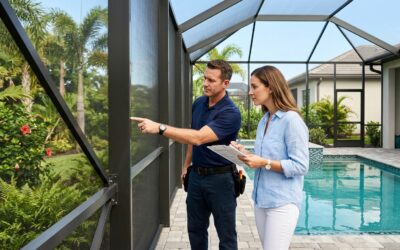
A professional assessment typically involves a detailed inspection of the entire enclosure, including the screens, framework, and fasteners. They should provide a clear explanation of their findings, outline the recommended solutions (repair, rescreening, restoration), and offer a transparent, itemized estimate of the costs involved.
The Long-Term Benefits of a Well-Maintained Pool Enclosure
Investing in your pool cage offers substantial returns beyond immediate repairs. A well-maintained enclosure enhances your outdoor living experience, providing a comfortable and pest-free environment. It significantly improves your home’s curb appeal and can contribute to increased property value. Ultimately, a properly maintained pool enclosure offers peace of mind, knowing your investment is protected and your outdoor space is ready for enjoyment year-round.
Conclusion
Deciding between pool cage repair and rescreening hinges on a comprehensive assessment of your enclosure’s condition, your long-term goals, and your budget. While minor, isolated damage might warrant a simple screen repair, widespread issues, aging screens, or storm damage point towards the superior long-term value and comprehensive benefits of a full rescreening. Don’t overlook the critical role of structural integrity; rusting screws and damaged framing necessitate professional restoration to ensure safety and longevity. By understanding the components, recognizing the signs of wear, and considering the cost-effectiveness of each solution, you can make an informed decision that protects your investment and maximizes the enjoyment of your Florida outdoor living space. When in doubt, consult with experienced professionals who can provide expert guidance tailored to your specific needs.
Choosing a Reputable Company
When seeking professional assistance, prioritize licensed and insured contractors with a proven track record in your local Florida area. Look for companies with positive reviews and testimonials, and don’t hesitate to ask about their warranties and guarantees. Obtaining multiple quotes will help ensure you receive fair pricing and a clear understanding of the proposed work.